Is ovarian reserve part of the conversation?
Put AMH in context without treating it as a fertility score or a prediction of natural conception.
At-home fertility testing · private · UK-wide
Clinical-grade hormone testing from home. Decode those hot flashes
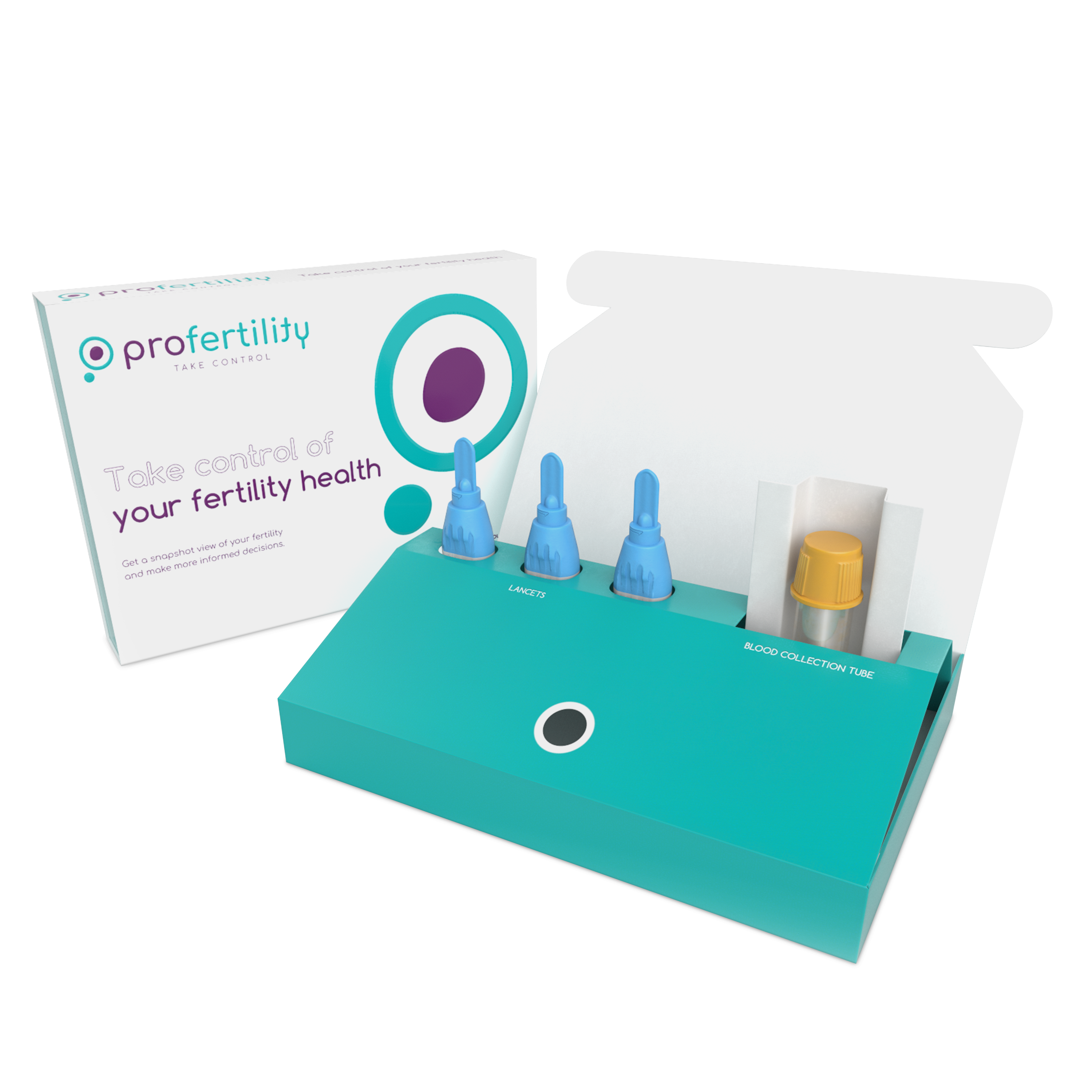
This at-home Perimenopause Hormone Test is designed specifically for women who want clarity about how hormonal changes may be impacting fertility now — and in the near future. Collect your sample at home, send it to our accredited laboratory, and receive expert-reviewed results that explain your hormone health — clearly and honestly. We analyse key reproductive and metabolic hormones commonly affected during perimenopause, helping you move from confusion to clarity.
TESTING TOGETHER?
Choose any other fertility test and we’ll reduce that additional kit by 10%. No fixed couples bundle — choose the tests that actually fit each of you.
How to use your test
If you’re noticing irregular periods, mood swings, or changes in your energy and sleep, your body is trying to tell you something. Many women enter perimenopause without realizing it, and these hidden hormone shifts can impact your ovulation, egg quality, and future IVF success. Whether you are feeling "off" or planning for a future pregnancy, our Perimenopause Hormone Test removes the "wait and see" approach. Instead of losing precious time, you’ll get a clear baseline to help you decide if you should start trying sooner or seek fertility support. Move from "I have no idea" to "I have a plan" with data designed for time-sensitive decisions.
FSH (Follicle-Stimulating Hormone): The primary indicator. As ovarian reserve drops, your brain pumps out more FSH to try and "jumpstart" the ovaries. High levels are a classic sign of perimenopause.
Oestradiol (Estrogen): The main form of estrogen. It fluctuates wildly in perimenopause—causing the "off" feelings—and eventually drops, leading to symptoms like hot flushes and sleep issues.
LH (Luteinizing Hormone): Works with FSH to manage your cycle. An imbalance between FSH and LH can signal that ovulation is becoming irregular.
Progesterone: This hormone keeps your cycle regular and helps you sleep. When it drops, it often leads to the "anxiety" and irregular periods typical of early perimenopause.
AMH (Anti-Müllerian Hormone): Think of this as your "egg timer." While other hormones fluctuate, AMH stays steady, giving you a clear estimate of your remaining egg count—essential for making time-sensitive fertility decisions.
TSH & Free T4 (Thyroid): Your thyroid is the ultimate "imposter." Issues here can feel exactly like perimenopause. We test this to rule out thyroid dysfunction so we can give you an accurate diagnosis.
Ferritin (Iron): Low iron causes the exhaustion and hair thinning that many women mistake for "just getting older." We check your stores to see if your fatigue is a simple fix.
Vitamin D: Deficiency in Vitamin D looks almost identical to perimenopause—causing low mood, joint pain, and chronic fatigue. Testing this ensures you aren’t mistaking a treatable deficiency for menopause.
AFTER YOUR RESULT
You do not have to interpret hormone numbers on your own. If anything is unclear, unexpected or time-sensitive, you can book a specialist to put the result into the context of your age, cycles, symptoms and fertility plans.

WHAT THIS TEST CAN HELP YOU DECIDE
A fertility test is most valuable when it changes what you do next. These results give you a clearer basis for planning rather than relying on symptoms or assumptions alone.
Put AMH in context without treating it as a fertility score or a prediction of natural conception.
Identify findings that may warrant repeat testing, GP review or wider fertility investigation.
Use your age, cycle pattern, symptoms and results together to judge whether waiting still feels sensible.
Decide whether the next step is reassurance, optimisation, additional tests, a scan or a specialist consultation.
I ordered a ProFertility test out of curiosity more than anything. I’m in my early 30s, not actively trying, but I didn’t want to sleepwalk into decisions later. The results surprised me — nothing serious, just things I wouldn’t have known without testing. It gave me reassurance and a sense of control I didn’t realise I was missing.
I’d put off fertility testing because I was afraid of bad news. But the way ProFertility presents results is calm and factual. No panic, no pressure. Just information. That alone made it worth it.
The test itself was easy. The hard part was realising how little I’d ever been told about sperm health. ProFertility didn’t make it awkward or embarrassing — just clear, practical and respectful.
We weren’t pushed into anything. The specialist explained our results, talked through options, and left the decision with us. That alone felt very different to clinics we’d dealt with before.
We’d been trying for over a year and doing random things we found online. The Roadmap gave us direction. We stopped panicking and started focusing.
After years of irregular cycles and being told it was “just stress”, having a corrective plan changed how I saw myself. Even before pregnancy was part of the picture, I felt better physically and mentally.
After months of corrective work and understanding what was actually holding us back, I fell pregnant naturally. It still feels surreal.
We were about to start IVF and felt overwhelmed. The second opinion helped us optimise beforehand instead of rushing in. It didn’t replace our clinic — it complemented it.
The changes didn’t feel dramatic at first, but over time my cycles regulated and things shifted. I’m now pregnant and grateful we didn’t give up.
After my miscarriage, I was left with questions no one answered. Learning what might have contributed helped me feel grounded again.
As a single woman, I needed clear answers about timelines and options. The consultation helped me make informed decisions instead of guessing.
I wish I’d found this sooner. This would have saved me years of confusion and anxiety.